I was chatting with my beloved this morning about iconic photos — the ones that encapsulated a historical moment, perhaps even changed minds when people saw them. The kind of photo that is seared into your brain and where you can visualize the whole image, and it has the same effect on everyone who sees it. And if I describe the photo for you, you’ll probably be able to visualize it immediately.
Recently The Guardian featured a series of iconic photos from the last 25 years, which was what made me think of this.
Some of these photos are distressing so I’m not going to embed them in the blogpost — instead I will link to them so you can choose whether to see them. I will list them in chronological order. I will mention why I think the photo is iconic.
Sometimes a big part of the reason why the photo is iconic is because it’s perfectly composed; sometimes it’s because it makes us look at something in a different way.
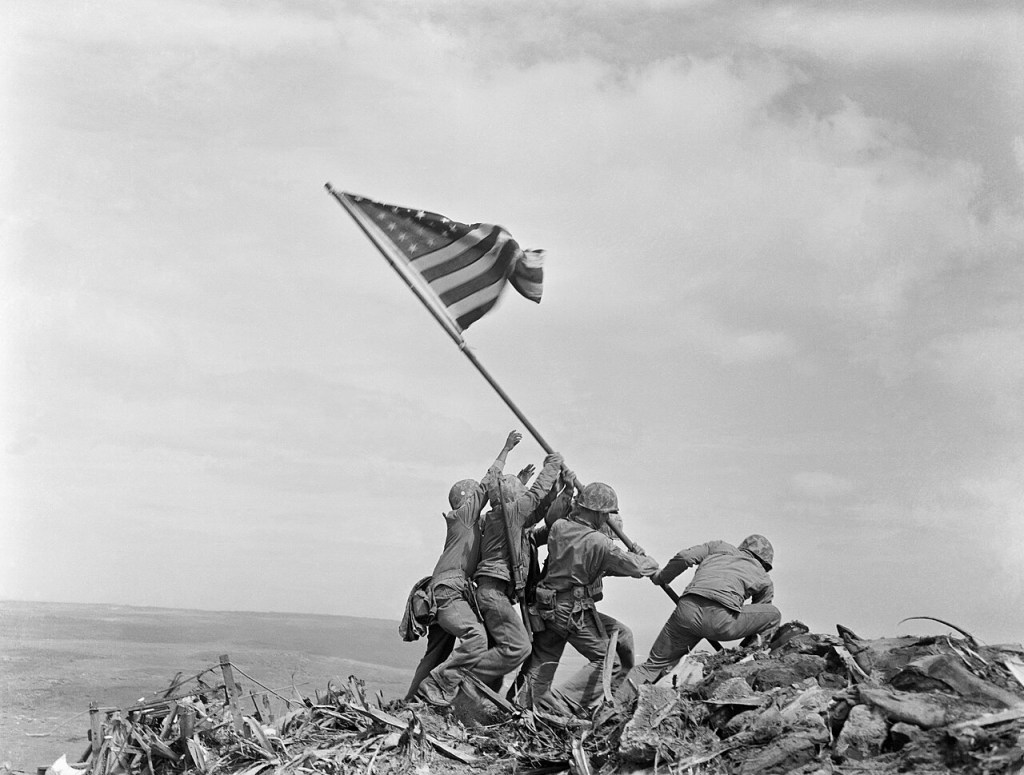
The battle of Iwo Jima (March 1945) by Joe Rosenthal.
Iconic because of the composition and the cooperation and struggle of the men.
The entrance to Auschwitz — many photos.
Either the train track leading into the extermination camp, or the street entrance with “Arbeit macht frei” over the arch. I was going to say the liberation of Auschwitz and other concentration camps, but there’s no single photo that encapsulates the event. These photos are seared into our memories partly through repetition but mainly because of what they represent: the mechanization of mass murder.
Hiroshima Mushroom Cloud (1945)
I knew several people who had an anti war poster with an image of the nuclear mushroom cloud on it, but there are several photos of different mushroom clouds. Here’s a photo from CNN of the Hiroshima mushroom cloud. The terrible destruction unleashed by the ability to split an atom, and the horrifying consequences, are why these images are consciousness-changing.
The Kiss (1950)
This famous photo by Robert Doisneau may have been staged but it’s still iconic. At least we can be sure that it is a consented-to kiss. And it’s romantic and dramatic. Great composition too.
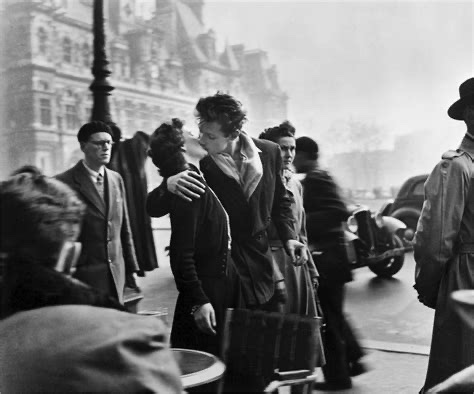
by Robert Doisneau.
MLK — I have a dream (1963)
Iconic because of the great man and the speech it commemorates. Great composition too.

1968 Olympics Black Power Salute

Two African-American athletes, Tommie Smith and John Carlos, each raised a black-gloved fist during the playing of the US national anthem, “The Star-Spangled Banner”. (The three athletes agreed that the white guy would not join in, but he was in solidarity with them)
The Earth viewed from the Moon (1968)

Earthrise is a photograph of Earth that was taken from lunar orbit by astronaut William Anders on December 24, 1968, during the Apollo 8 mission. Nature photographer Galen Rowell described it as “the most influential environmental photograph ever taken”.
Arguably this photo was consciousness-changing because it enabled everyone to see the contrast between the life-giving blue and green of the Earth, the blackness of space, and the barrenness of the Moon.
Buzz Aldrin on the Moon (1969)
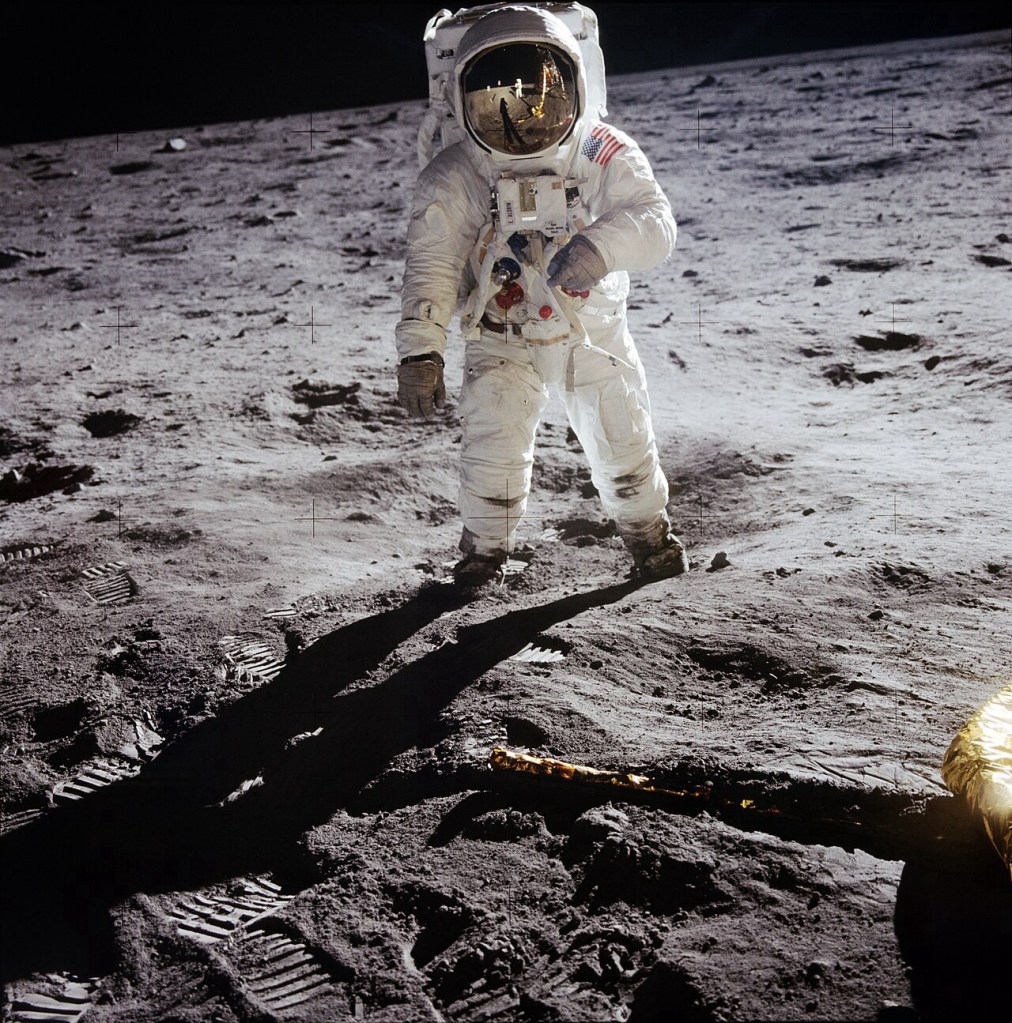
Humanity’s first day out on a new planet!
Kent state massacre (1970)
The first time I saw this picture by John Paul Filo was about ten years ago but it was instantly seared into my brain, and it is iconic for people who remember it as a news item. It was shocking because the National Guard actually killed student protesters. They did it again two days later at another university but it didn’t get captured in an iconic photo.
Napalmed girl in the road (1972)
Phan Thị Kim Phúc, referred to informally as the girl in the picture and the napalm girl, is a South Vietnamese-born Canadian woman best known as the child depicted in the Pulitzer Prize–winning photograph, titled The Terror of War, taken at Trảng Bàng during the Vietnam War on June 8, 1972.
My memory of this photo was actually incorrect: only the girl is seared into my brain, whereas actually there are several people in the photo. It perfectly encapsulates the horror of war.
The authorship of the photo is disputed.
Tank Man, Tiananmen Square (1989)
Tank Man (also known as the Unknown Protester or the Unknown Rebel) is the nickname given to an unidentified individual, presumed to be a Chinese man, who stood in front of a column of Type 59 tanks on Chang’an Avenue near Tiananmen Square in Beijing on June 5, 1989.
This is a powerful photo because it represents a man pitting his body against oppression.
Confrontation at Oka (1990)
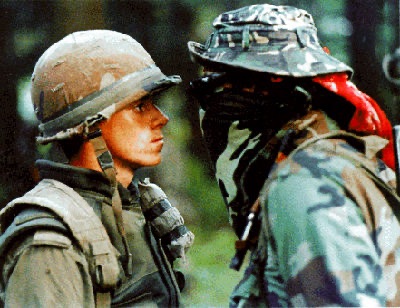
Iconic because it represents resistance to colonialism.
Pale blue dot (1990)
Photo of Earth seen from six billion miles away, as a tiny dot in a sunbeam, taken by the Voyager spacecraft. Arguably the photo is iconic because of Carl Sagan’s beautiful meditation on its meaning.

World trade centre being struck by the plane (2001)
Again, no single image really captures this event but it caused a huge political and cultural shift. And the image of the smoke pouring from the twin towers is seared into all our brains. Here’s a selection of images from the Getty collection.
World trade centre destruction from space (2001)
This photo of the plume of smoke spreading across New York really got to me because it was so huge that you could see it from space and the astronaut who took it said it made him feel powerless to intervene and very alone.
White roses for École Polytechnique (2014 ?)
The École Polytechnique mass shooting was in 1989. I believe this photo was taken in 2014 for the 25th anniversary commemoration.
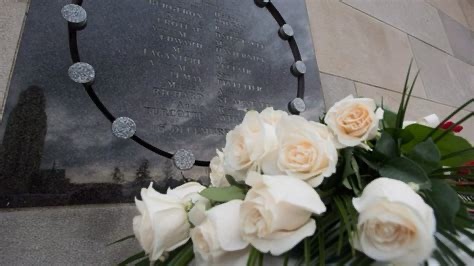
Seared into my brain because an evil misogynist decided to kill women merely for being successful. It sparked a national discussion in Canada about violence against women and drove major public policy changes, especially around gun control.
Colin Kaepernick taking a knee (2016)
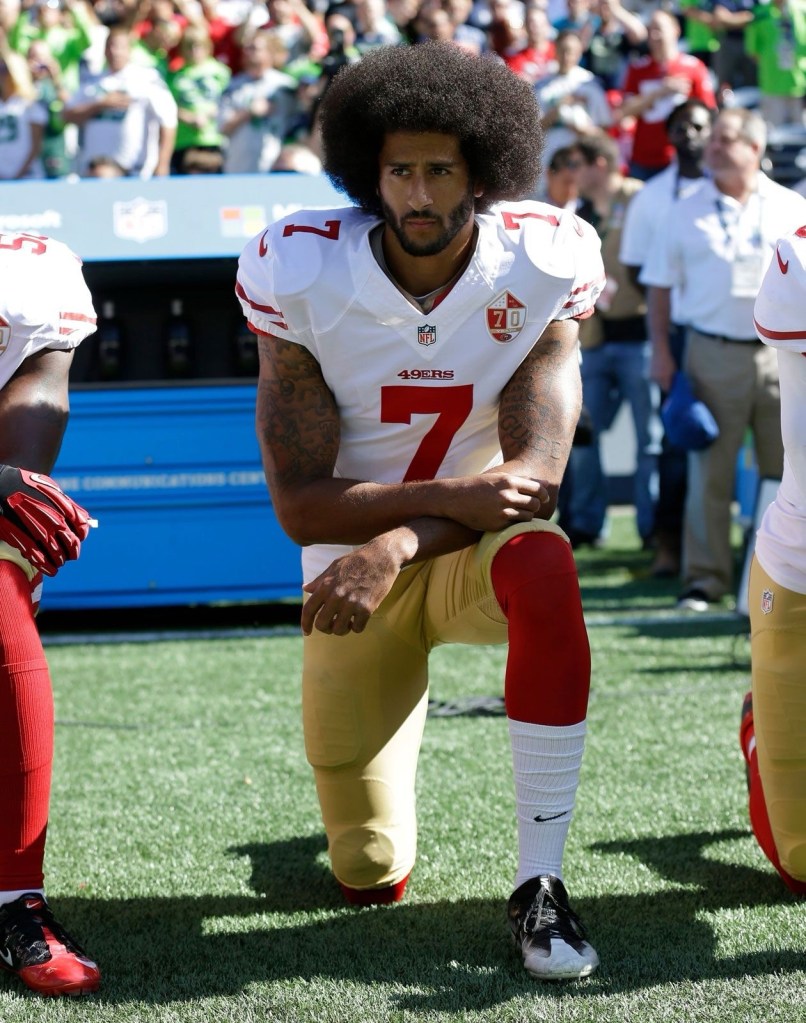
A series of photos that went viral. Many people claimed that Colin Kaepernick was “being disrespectful”. I can’t think of a more respectful way to protest. Iconic because it was a peaceful protest against systemic racism.
Greta Thunberg, school strike for the climate (2018)
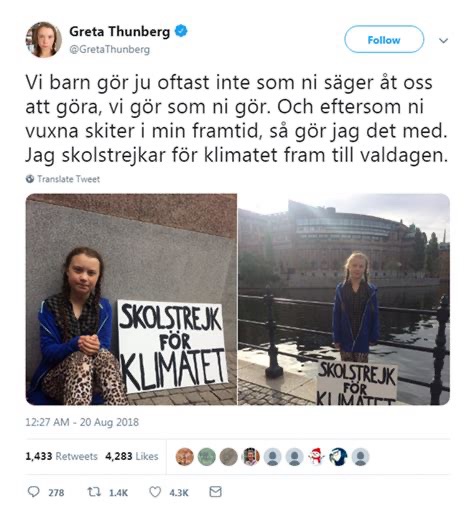
The photo that started a movement.
Greta’s tweet reads, “We children usually don’t do what you tell us to do, we do what you do. And since you adults are shitting on my future, I’ll do the same. I’m on school strike for the climate until election day.”
Another great photo of Greta Thunberg was when she gave a speech at the United Nations. And there are several of her recent protests against the genocide of Palestinians.
Woman at BLM protests (2020)
This photo by Jonathan Bachman went viral immediately after it was published. Interestingly my memory of it is flipped (I had her on the left and the police on the right). I think it’s iconic because she looks so peaceful and they look so aggressive.
Edward Colston statue being chucked into Bristol Harbour (2021)
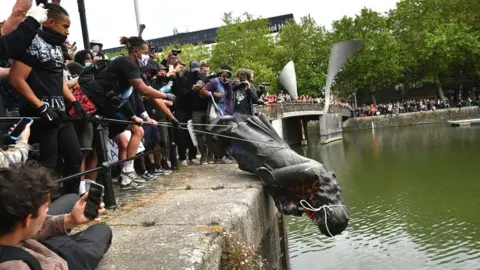
This moment was iconic for me because I used to live in Bristol and people had been trying to get this statue of a slave trader who was responsible for thousands of deaths removed for decades.
As someone who lived in Bristol remarked about this: they said we should go through the proper channels to get the statue taken down. Well, now he’s in the proper channel.
Dead Palestinian prisoners (recent, undated)
I can’t find this photo online any more but it’s extremely distressing and it’s seared into my brain. I’m not going to describe it. It should be more widely known as it encapsulates the cruelty of the genocide.
Leonard Peltier’s release (2024)
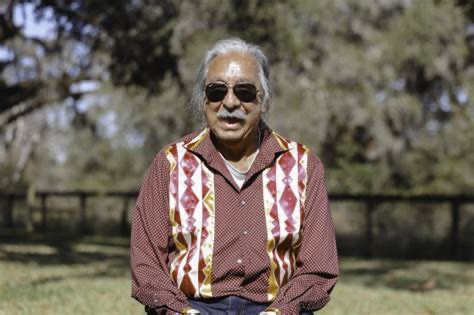
It’s been a very long wait for Leonard Peltier to finally be freed. He was imprisoned for killing two federal agents in a shootout, but has always protested his innocence.
What photos are iconic for you, and why? Let me know in the comments. Preferably with a link to the photo.
Here’s Wikipedia’s list of photos that are considered the most important.


 Dowsing for Divinity
Leave a comment