The original version of fake news was called propaganda — originally a means of disseminating the Catholic religion, then from about 1914, a news item meant to promote a political point of view. Propaganda is related to “propagation”, the cultivation of plants to increase them. This is similar to the concept of something “going viral” — spreading so fast that it’s almost like it’s doing it invisibly, like a virus.
So what are the key ingredients of a viral story?
1. Make it untrue
A significant dollop of untruth, lies, oversimplification, and distortion is often an ingredient of viral stories. Misinformation is when the story is unintentionally misleading. Disinformation is when it is a deliberate lie. Recent examples of this are claims that immigrants in the United States were “eating your pets”, or that kids in schools were “allowed to use litter trays”, that Palestinians were “beheading babies”, and even that “Palestinians are overweight”. Similar rumours circulated about “German soldiers bayoneting babies” in WW1. The English claimed that the Irish were killing babies in the 1600s. Sometimes the claim is based on an incident that was perpetrated by an entirely different group, like the pet-eating story.
2. Evoke disgust and outrage
Target something that people have strong feelings about, especially something that evokes disgust and breaks a taboo (preferably multiple taboos). Harm done to innocent children or pets is especially outrageous to most people. Remember the claim in the early 2000s that a child was punished by having his arm run over by a truck, accompanied by a photo that seemed to back it up? Except that the child’s arm was safely in a wheel rut and the photo depicted a common roadside stunt.
Claims of killing babies, eating babies, or something to do with poop, insects, or other taboo foods, will spread like wildfire — and be used to justify actual atrocities, like bombing and starving people for months, killing journalists, and bombing hospitals and refugee camps.
3. Write a shouty headline
Include a superlative in the headline, like “the best”, “the worst”, “the ugliest”. Include a pejorative label for a marginalized group.
6. Make it topical
If it’s not playing on current fears and insecurities, it won’t go viral. Remember when white Americans were losing their minds over “critical race theory in schools”? That was all started by one guy in California. I’d say it was probably a direct response to the Black Lives Matter movement.

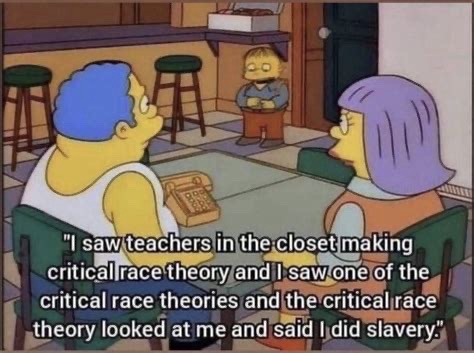
2. Make it funny / weird
This one applies more to memes and jokes — but an element of ridiculousness can be an aspect of fake news too — like “look at the crazy stuff that the tofu-eating wokerati are doing now” (like a recent fake news item about Druids throwing a transphobic witch off a training course—debunked here).
Extra points if it’s about one minority attacking another, like the time the Daily Heil featured a story about a Sikh firing a Pagan for taking an unauthorized day off for a Pagan holiday. Obviously the Daily Heil hates Pagans, but it hates Sikhs even more.
4. Include a number in the headline
Thousands of viral headlines propagating all over the internet! All of them claiming that they know 9 different ways to get that stubborn fat off your thighs and butt!
5. Include a video or photo
If it includes a photo or a video, it must be true, though, right? Nope.
The magic trick is as old as the book (possibly older). See my earlier example about the child allegedly having his arm run over.
Airbrushing people out of photos was done by Soviet Russia. Adding things into photos that weren’t there (ghosts, fairies) was all the rage shortly after photos were invented.
And now there’s AI-generated photos and videos, and no shortage of people who can’t spot the telltale signs of AI.
8. Attack “the establishment”
The “deep state” (a popular target of many misinformation stories), “elitist academics” (see critical race theory), “teachers” (spreading wokeness), the “world government” (a thinly veiled antisemitic trope), the bankers (also a thinly veiled antisemitic trope), “lizard people” (allegedly the Royal Family are lizard people, and it’s apparently another antisemitic trope).
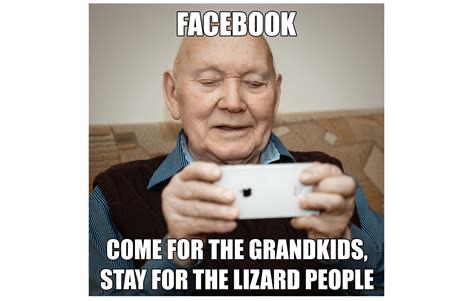
9. Everyone wants to be a victim
Claim that your target audience is being harmed by sinister hidden groups that walk among the general population. Witches, Jews, trans people, immigrants, refugees, critical race theorists, any marginalized group will do as a target to draw attention away from the actual group that’s harming everyone: the billionaires funding ever more fossil fuel extraction, destruction of the environment, and paying for the scapegoating of minorities and bombing of people in the Middle East.
This tactic works because everyone wants a simple facile explanation of why they don’t have a luxury yacht and a private island, or at least a nice comfortable existence.
10. Combine as many of these as possible
Your article is much more likely to go viral if it includes as many as possible of these techniques, especially evoking disgust and outrage about a marginalized group.
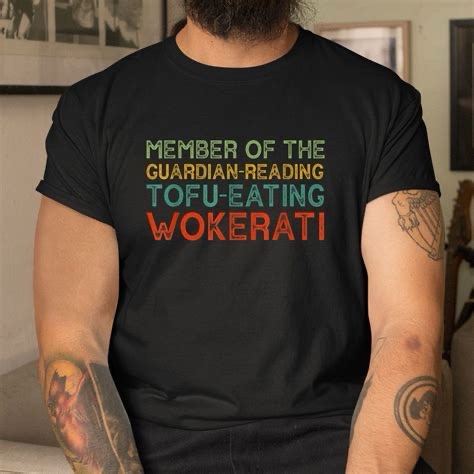
“Guardian-reading tofu-eating wokerati” combines several tropes: a newspaper that’s not controlled by billionaires, left-wing people, vegetarians and vegans, being woke, the Illuminati, and mild disgust (a lot of people hate tofu). The only people who are more hated than these groups are fat people, the neurodivergent, and cyclists (try admitting to being any of those on social media, and you’ll see what I mean). People don’t like vegetarians and vegans because they make them feel guilty just by existing.
What can we do about it?
The left tends to provide facts (so irritating for the right!) and to be less susceptible to propaganda. It’s hard to know how to counter fake news and misinformation without stooping as low as the perpetrators of it. As Michelle Obama memorably said, “When they go low, we go high”.
One very effective response is humour. Puncturing the pomposity of the person spouting hateful rhetoric can be very effective, especially if the remark was obviously wrong. Like the time a UKIP person mistook Westminster Cathedral for a mosque, and Twitter was full of hilarious memes for weeks.
Reclaiming words and phrases that were originally slurs can be very powerful (queer and witch being obvious examples, tofu-eating wokerati is another).
Coming up with a satisfying and repeatable counter argument can work too, like this:
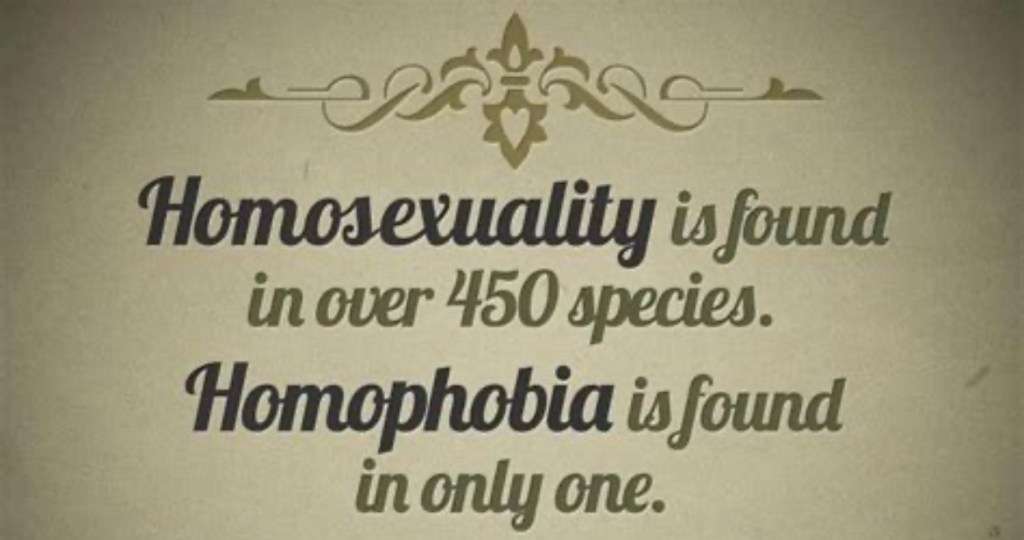
Homophobia is found in only one.
A longer-term strategy is education — but that takes time and is consistently underfunded and undermined by the right.





 Dowsing for Divinity