Do you have an opinion on a political issue that’s backed up by your Pagan values? Congratulations, you’re doing theology.
Did you write about your Pagan-values-based opinion on your blog or social media? Congratulations, you’re doing public theology.
Do you speculate about the nature of the gods? Or write about how magic works? That’s theology.
Do you try different things to make your rituals more effective, or more accurately based on reality? That’s theology too.
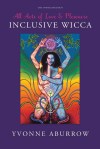
Do you have an opinion on what type of person can or should be able to take part in your rituals? That’s theology. If you’re interested in making your rituals more inclusive, check out my book All acts of love and pleasure: inclusive Wicca (tenth anniversary edition).
Do you celebrate being alive instead of looking forward to an afterlife? That’s based on a theological perspective.
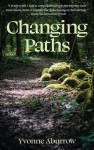
Did you leave another religion because of its oppressive theology and look for one with a more empowering message? Check out my book Changing Paths, about the experience of changing from one religion to another, or leaving religion altogether.
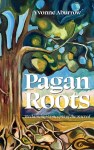
The term theology was coined by the Pagan philosopher Cicero in his work defending Paganism in 49 CE, De Natura Deorum (On the Nature of the Gods). It is a Pagan word. Just like many other words, which I’ve reclaimed in my book, Pagan Roots: Reclaiming Concepts of the Sacred.
Why we need a theology
Theology is just an underlying theory of how something works. Despite the name, it’s not only about gods: it’s about the nature of reality, our values, what we consider to be a virtue, and how we live in response to all of this.

If we don’t have a theology (or a theory) then we end up doing things because that’s the way they’ve always been done — regardless of whether they work and benefit everyone. We need an explanation of why we do what we do, so that the world makes sense, and we can create beauty and meaning. That’s especially hard right now, with everything that is happening, but that’s why it’s especially important.
Theology is not the same as dogma. Theology is theoretical, hypothetical, discursive. Dogma is fixed and often enforced (gods forbid that we get enforced dogma in Paganism). People are understandably afraid that theology might harden into dogma. But what actually happens is that people default to dogma when theology is not discussed.

Religion and politics
When people say they want to “keep politics out of Paganism” it usually means that they don’t want to confront their white cis het privilege. The people saying they want to keep politics out of Paganism are usually right wing people scolding a left wing person for advocating for equal rights for LGBTQ+ people, Black people, immigrants, disabled people, etc.
When left-wing people say they want to keep religion out of politics, they usually mean the kind of religion that wants to control other people’s bodies and minds and lives — the kind of religion that wants to liberate people to live their best life is sadly in very short supply.
But since my Pagan values (of wanting to protect the Earth, promote peace, and empower everyone to live their best life”one wild and precious life” to the full) are entangled with my political beliefs (in order to bring about the things in the previous list, we need to abolish capitalism and dismantle white supremacism), I can’t keep my religion separate from my politics.
Some of my political views don’t have a specific theological basis (I’m pro-choice and believe that abortion is healthcare) but they’re still based on my values, which are connected with my Pagan worldview.
Everything we do is based on our experience and worldview. I prefer to have my underlying values clearly defined, instead of allowing unconscious impulses to drive my actions (which still happens sometimes, of course). If you have a self-limiting belief, it can prevent you from doing things that you might enjoy. If your beliefs empower you to try new things, and look for the blessings in life, then you’ll generally be happier.


 Dowsing for Divinity
Leave a comment