A few years ago I advocated for a Holi (Hindu festival) celebration at my place of work. They said “we don’t do religious holidays”. I said, “But you just did something for Valentine’s Day, Pancake Day, and Easter.” They replied that those are “just part of the culture of Canada”. My Hindu colleague and I went ahead and started organizing something just for our office. Unfortunately it was just before the start of the pandemic so we had to cancel it.
If we wanted to celebrate something that is “part of the culture” in Canada, surely we should be celebrating Indigenous festivals. Christianity was violently imposed by colonialism.
Public understanding
Public understanding of different religions is limited in Canada because people are not educated about different religions in schools. This is because “religious education” still means inculcating Christianity here, and that was abolished. (Do Catholic schools still do this? I don’t know.) Even in the UK, where they do teach about different religions in schools, people don’t listen.
Christianity seen as the default
People also often say “religion” when they’re talking about Christianity, or assume that all other religions are just like Christianity (or worse, that they are all like fundamentalist Christianity).
We also need to understand all the ways that Christianity is part of “western” culture, so that we can check our unconscious biases.
People tend to assume that all religions operate like Protestant forms of Christianity. They don’t. Sociologists of religion call this “the Protestant lens”.
Paganism and folklore
And people need to understand the lingering Pagan aspects of cultures too. And which bits aren’t actually Pagan (I’m looking at you, Easter bunny).
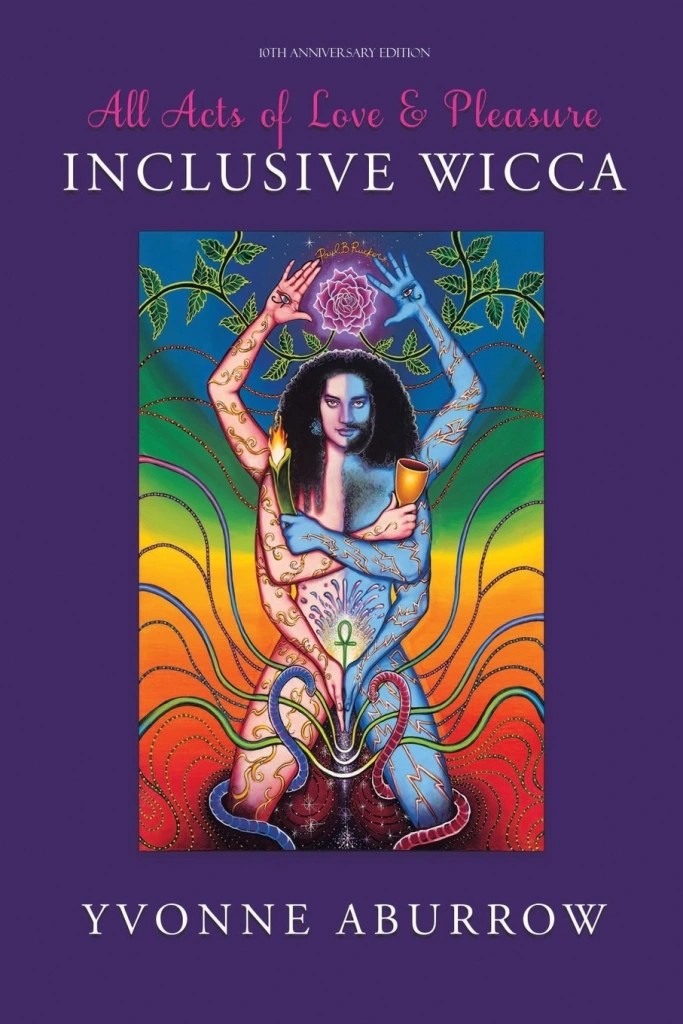
If you’re a Pagan, it helps if you understand Pagan mythology and history. If you attend any rituals written by me, there will be mythology and folklore in them. I have written about the mythological underpinnings of Wicca in my book, All acts of love and pleasure: inclusive Wicca (new edition coming soon).
Literature and art
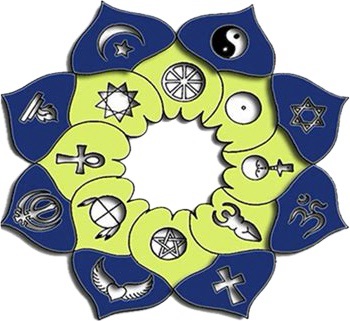
Understanding Christianity, Paganism, Islam, Judaism, Indigenous spirituality and traditions, Hinduism and Sikhism, also helps us to understand the literature and art of the past and present. And it helps us to recognize the ways in which religion is misused to exacerbate conflicts and land theft.
Because of the general lack of knowledge of Christianity, Mark Williams said that he had to teach Oxbridge undergraduates a basic crash course in Christian history and theology so that they could understand the references in the literature that he was actually there to teach them.
Moderate and extremist groups
Mike Stygal (former president of the UK Pagan Federation) has written about lack of religious literacy on Facebook, which prompted me to write this.
He responded to my comment by adding that recognizing the ways in which religion is misused to exacerbate conflicts and land theft “is a biggie…..not least because it helps us to recognise extremism AS extremism, rather than representative of a religion.”
This is really important, as the alleged threat of terrorism from Muslims has been widely used to oppress Muslims in majority-Christian countries.
This is despite the fact that in the USA, you’re more likely to be killed by a toddler who has accidentally got hold of a gun that was improperly stored in your house. And despite the fact that the majority of mass shootings in the last few years have been carried out by white terrorists.
It’s peculiar how we know that the shooter in Norway who killed 73 children doesn’t represent Christianity (he said that he did the shooting in the name of Christianity). But somehow we don’t know that terrorists who claim to represent Islam do not in fact represent the majority of Muslims.
Similarly a lot of people seem to have difficulty with the idea that not all Jews support Zionism or Israel. There are many Jewish organizations who are opposed to the genocide in Gaza. Jewish Voice for Peace, If Not Now, Standing Together (in Israel), Rabbis for Ceasefire, and many more.
Support for 2SLGBTQIA people
Another thing that people don’t know about is how many religious groups support 2SLGBTQIA people—they assume that all members of Christian and Muslim communities are opposed to LGBTQ+ people. This is simply not true. This assumption is also weaponized by Zionists who like to tell 2SLGBTQIA people that “the Palestinians would throw you off a roof”. For one thing, that happened in a different Muslim country; and for another thing, the hypothetical homophobia of a group of people does not justify bombing them, or their cities, hospitals, universities, and schools.
Going back to religions that are inclusive of 2SLGBTQIA people: a majority of Muslims and Christians support same sex marriage and LGBTQ+ rights. Their churches might officially be against it, but they are mostly in favour.
You can also find a huge list of LGBT-affirming churches at the Gay Church website, which covers most of the world.
Similarly there are whole denominations of LGBTQ-affirming Jews.
Most Pagans are 2SLGBTQIA-affirming (there are bigots among us, sadly).
Attitude to other religions
I’ve lost count of the number of times I’ve encountered the assumption that each religion thinks it is the sole possessor of truth, and/or that only its adherents are going to “Heaven”.
This is a monotheistic belief held by some (not all) Christians and Muslims. It is not held by other religions, which have a much more pluralistic attitude.
But because of the “Protestant lens” (the assumption that all religions are like Protestant versions of Christianity), people assume that all religions have this belief.
Religions that are in countries where they live peacefully alongside other religions tend to have a much more compassionate view of the other religions’ adherents, and a respect for their wisdom.
Bringing your beliefs to work?
I frequently see people saying that people should not bring their religious beliefs to work—usually because they are bringing bigoted beliefs, or a tendency to proselytize to others, to work. I would obviously not want to work with people with either of those.
But how are people supposed to separate out their personal ethics? My religious beliefs include working for the rights of 2SLGBTQIA people and protecting the environment. I don’t leave them at home when I go to work. Rabbi Danya Ruttenberg’s religious beliefs include working for the right to abortions (I agree with her, but that’s a secular belief for me personally).
Challenge assumptions
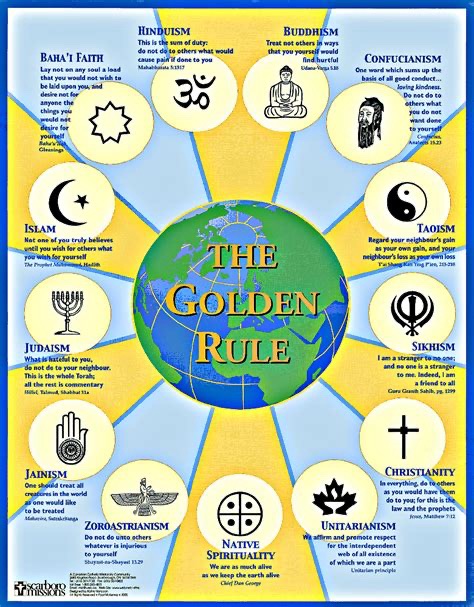
So the next time you see someone saying “all religions believe…” or using the word religion as a synonym for Christianity, please challenge them on it. And challenge your own assumptions by reading a Wikipedia article about a religion you know nothing about.
The bare minimum is to be aware that not all religions are the same, not all religions are anti-2SLGBTQIA, not all religions want to make converts, nor do they all think that they’re in sole possession of the truth.

 Dowsing for Divinity
3 responses to “Understanding religions”
Mike has written a post about interfaith dialogue on the Pagan Federation website.
LikeLike
hi Yvonne,
We /WROnline have published;
*Review Pagan Roots. *
Is this the correct email address to contact you?
Blessings,
Morgana
LikeLiked by 1 person
definitely faster to use my Gmail
LikeLike